
ब्लैक बंगाल
अन्य नाम: बंगाल, टेडी
पूर्वी भारत की सबसे अधिक बच्चे देने वाली बकरी और बिहार की शान। इसके मांस और खाल की गुणवत्ता दुनिया में सर्वोत्तम मानी जाती है, और यह साल में दो बार कई बच्चे देती है।
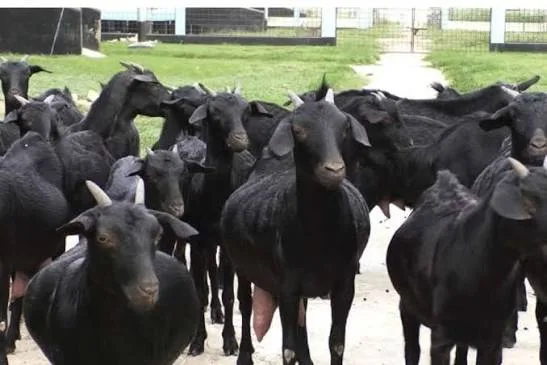 Black Bengal
शारीरिक विशेषताएँ
- रंग: मुख्यतः काला; भूरा, सफ़ेद या धूसर भी
- छोटा, बौना शरीर — वयस्क 15–20 किलो, छोटे पैर
- छोटे, क्षैतिज कान और पीछे की ओर नुकीले छोटे सींग
- सीधा चेहरा, सुगठित और गहरा शरीर
किसानों के लिए लाभ
असाधारण प्रजनन क्षमता — जुड़वाँ और तीन बच्चे सामान्य बात
दुनिया की सर्वोत्तम बकरी खाल — चमड़े के लिए भारी निर्यात माँग
भारत में सबसे मुलायम और स्वादिष्ट मांस माना जाता है
रसोई के बचे भोजन, पेड़ की पत्तियों और सड़क किनारे चराई पर पल जाती है
बिहार के भूमिहीन परिवारों के लिए पहला पशुधन — बहुत कम पूँजी
Improve your herd with ब्लैक बंगाल genetics
Artificial insemination with proven ब्लैक बंगाल semen is the fastest and cheapest way to upgrade a local herd — no bull to maintain, no disease risk, and a measurable jump in yield within one generation. Our AI training covers semen handling, heat detection, insemination technique and follow-up.
नस्ल परिचय
- पशु प्रकार
- बकरी
- उपयोग
- मांस और खाल
- मूल क्षेत्र
- बिहार, पश्चिम बंगाल, झारखंड और ओडिशा में फैली हुई
- पाई जाती है
- बिहार पश्चिम बंगाल झारखंड ओडिशा
- उत्पादन
- दूध: 0.4–0.6 किलो प्रतिदिन; एक बार में 2–4 बच्चे, साल में दो बार
अन्य बकरी की नस्लें
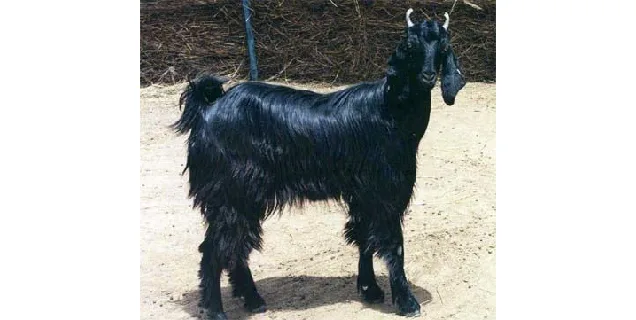 Marwari
मांस और बाल
Marwari
मांस और बाल
मारवाड़ी
राजस्थान, गुजरात +1
A jet-black desert goat with long, flowing hair. It is one of the toughest breeds in India, browsing on desert thorn scrub where nothing else survives.
Milk: ~0.7 kg per day; hair: 0.8–1.0 kg per year
पूरी जानकारी देखें Gaddi
बाल और मांस
Gaddi
बाल और मांस
गद्दी
हिमाचल प्रदेश, जम्मू और कश्मीर +1
The migratory goat of the Gaddi shepherds, moving between valley and alpine pasture with the seasons and yielding both meat and mohair-like hair.
Hair: ~0.5 kg per year; kept mainly for meat and hair
पूरी जानकारी देखें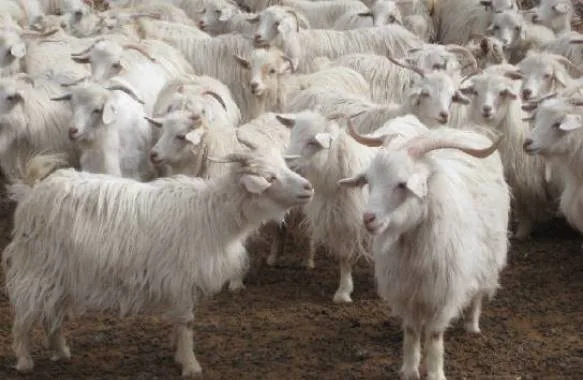 पश्मीना और मांस
चांगथांगी
लद्दाख, जम्मू और कश्मीर
The source of the world-famous Pashmina (cashmere) used in Kashmiri shawls. Reared by Changpa nomads at extreme altitude in temperatures down to −40°C.
Pashmina: 200–300 g per year (fibre 12–15 microns)
पूरी जानकारी देखेंNeed course guidance?
Our team is ready to help you choose the right training program.