
Kankrej
Also known as: Wadhiar, Wadhir, Nagar
The heaviest Indian draught breed and a strong milker. Kankrej was exported to the USA and Brazil, where it contributed to the Brahman and Guzerat breeds.

Physical Characteristics
- Colour: silver-grey to iron-grey or steel black
- Large, powerful frame with a strong hump and pendulous dewlap
- Lyre-shaped horns curving upward and outward in a graceful sweep
- Famous "sawai chaal" — a swinging 1¼ trot gait unique to the breed
Benefits for Farmers
Bullocks are fast, powerful and tireless for ploughing and carting
Cows give a good milk yield alongside heavy draught output
Highly tolerant of heat, drought and long-distance walking
Foundation stock for tropical beef and dual-purpose breeds worldwide
Improve your herd with Kankrej genetics
Artificial insemination with proven Kankrej semen is the fastest and cheapest way to upgrade a local herd — no bull to maintain, no disease risk, and a measurable jump in yield within one generation. Our AI training covers semen handling, heat detection, insemination technique and follow-up.
Breed Profile
- Species
- Cattle
- Utility
- Dual Purpose
- Home Tract
- Banaskantha, Mehsana, Kachchh and the adjoining Barmer–Jalore belt
- Found In
- Gujarat Rajasthan
- Yield
- 1,300–1,800 kg per lactation; 4.8% fat
Other Cattle Breeds
 GIR COW
Milk
GIR COW
Milk
Gir
Gujarat
One of the finest milch breeds of India and the most widely exported Indian cattle breed. Gir genetics form the base of Brazil's dairy zebu industry, where elite Gir cows now exceed 10,000 kg per lactation.
1,600–2,500 kg per lactation; 4.5–5% fat
View Details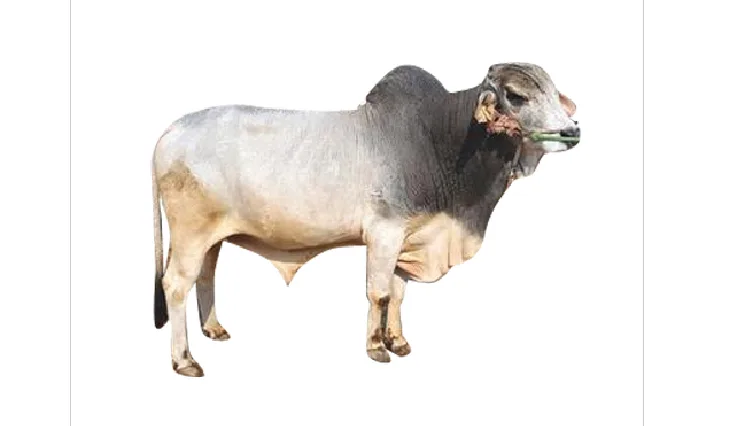 THARPARKAR
Dual Purpose
THARPARKAR
Dual Purpose
Tharparkar
Rajasthan, Gujarat
A dual-purpose desert breed that gives useful milk while producing strong draught bullocks. It survives on sparse desert grazing and scarce water.
1,200–2,500 kg per lactation; 4.9% fat
View Details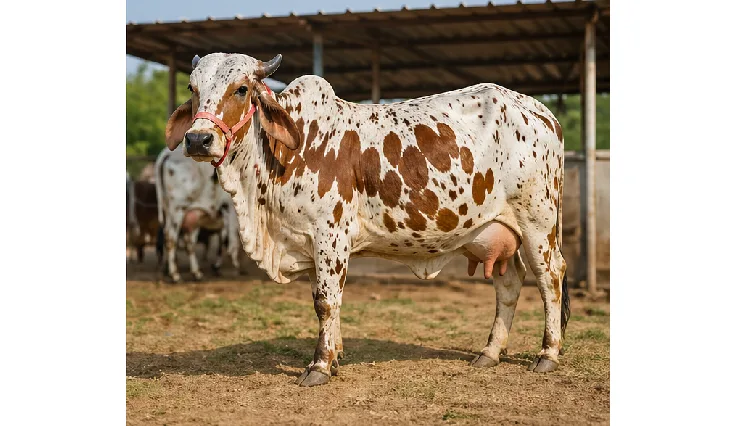 RATHI
Milk
RATHI
Milk
Rathi
Rajasthan
Named after the Rath community of north-west Rajasthan, this breed carries Sahiwal, Red Sindhi and Tharparkar blood and is the leading milch breed of the arid zone.
1,000–1,800 kg per lactation; 4.5% fat
View DetailsNeed course guidance?
Our team is ready to help you choose the right training program.